
Launching in the Philippines? What to look for in a PR agency
Most international brands find us at about the same point. The distributor is signed, the first shipment or store has a date, and someone at head office has just asked who is handling press in Manila. Usually the answer is nobody, yet.
By Michaela Villaroman · Published
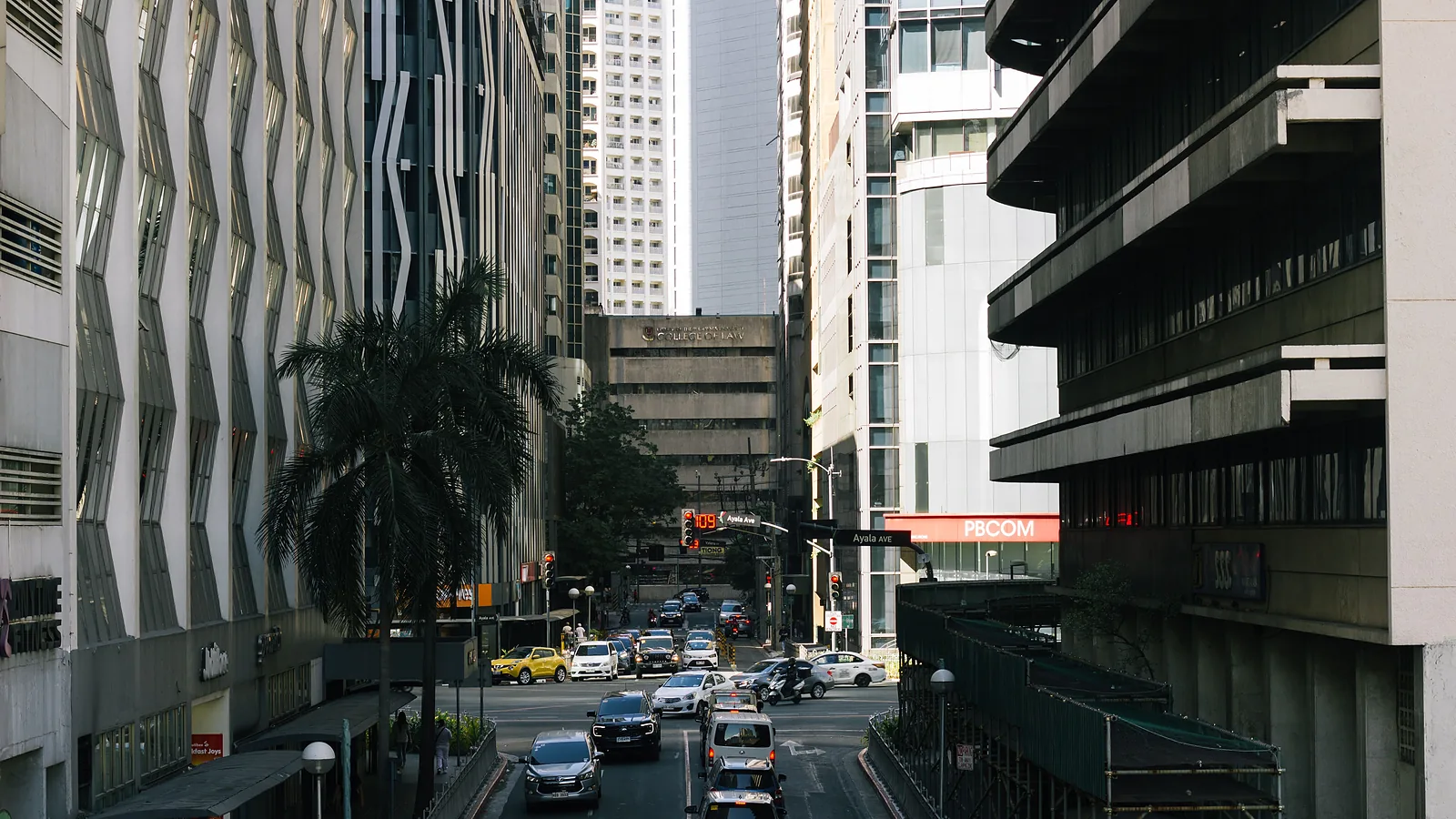
- Inside each one, the business desk and the lifestyle desk behave like two separate publications.
- A press release and a slide deck won't get you a segment.
- Launch-week coverage is nice. The follow-up is what builds a brand here.
- Ask who will actually pitch your story, and whether you'll meet that person before signing.
- Editorial decisions remain with publications. No agency controls what an editor runs.
How Philippine media works
Choosing that agency is a lot easier once you know how the media here works, so we'll start there.
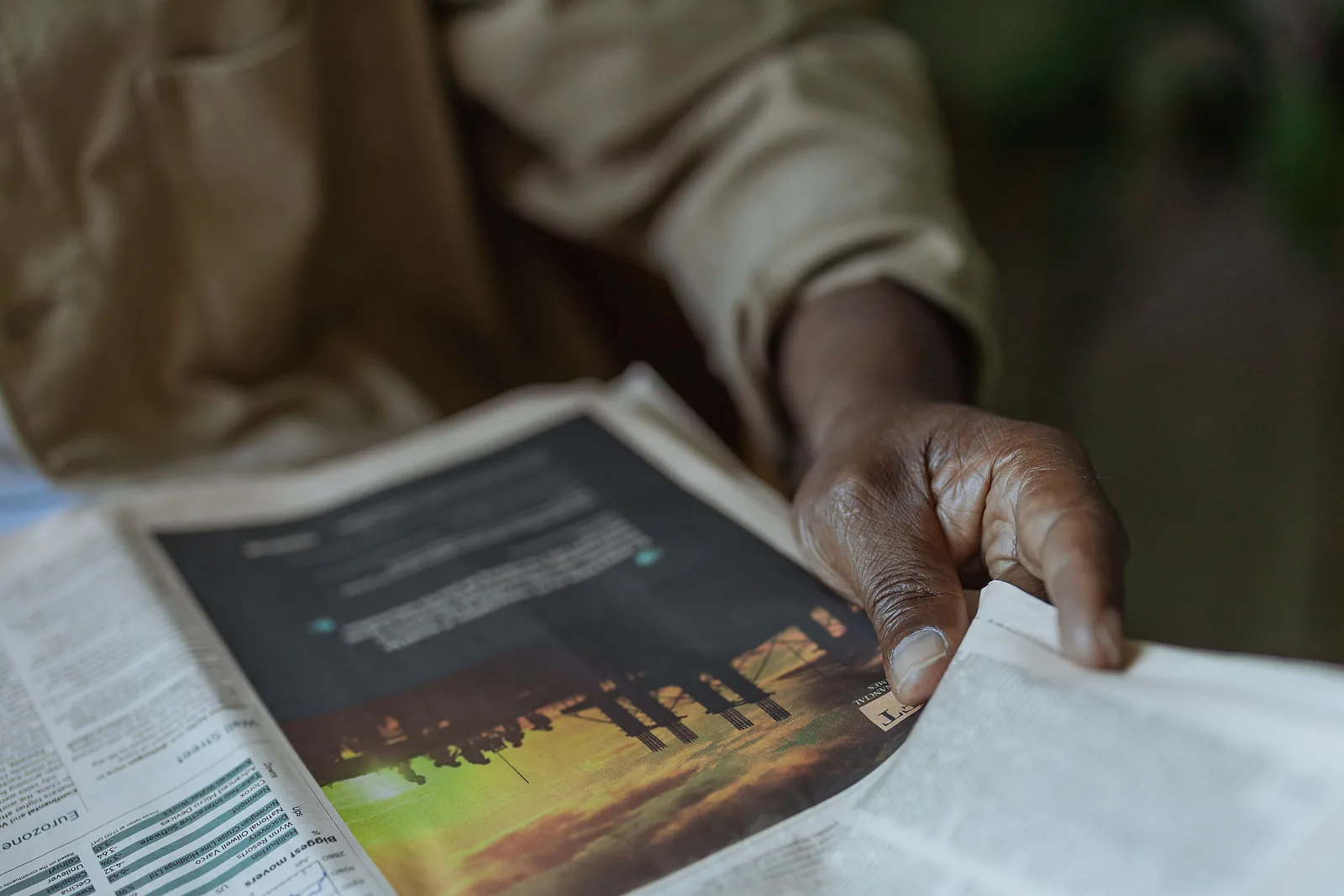
The national dailies still set much of the agenda, in print and online. These are papers like Philstar, The Manila Times, BusinessWorld, BusinessMirror, Manila Standard and Daily Tribune. Inside each one, the business desk and the lifestyle desk behave like two separate publications. The business reporter wants investment, jobs, the local partner and why the Philippines now. The lifestyle editor wants to know what it's like and who's behind it. Send them both the same release and you'll often end up in neither.
Broadcast runs on different rules. Newsrooms at GMA, ABS-CBN and its news channel ANC need something to film and a spokesperson who's comfortable on camera. A press release and a slide deck won't get you a segment.
Then there are the lifestyle and digital titles, such as Lifestyle.INQ, Esquire Philippines and Rappler. They move faster, get shared more on social, and care a great deal about the photo.
Why relationships matter more than the media list
Every agency has a media list. You can buy one. What you're paying an agency for is knowing which reporter actually covers your category, who would rather interview your founder than rewrite a release, and which angle that desk ran last month and won't run again.
None of this is about favours. Editors get far more invitations than they can accept, and the ones they answer tend to come from people who have sent them useful stories before. That takes years to build. A database doesn't have it.
What to confirm before briefing Philippine media
A Philippine launch brief needs to explain what people here will be able to buy or use, who is responsible locally and which facts are approved for publication. Add the details below to the product-launch brief template. Mark any open decision as pending and name the person who can resolve it.
| Decision | Record in the brief |
|---|---|
| Philippine availability | What will be available, where, and from which confirmed date. |
| Local partner | The importer, distributor or operating partner, where relevant, and how its role should be described. |
| Product claims | Approved wording and supporting sources for origin, specifications, awards or other claims. |
| Spokespeople | Who can answer product and local-business questions, with availability and interview format. |
| Regional approvals | Who approves the local wording, who approves partner references, and the review deadlines. |
| Materials and access | Cleared images and captions, plus any interview, demonstration or sample arrangements being offered. |
You can discuss the scope while some details are pending. Settle the facts and permissions needed for a particular pitch before sending it. For help with the work, see market-entry PR in the Philippines.
A Philippine introduction, seen through two editorial angles
Ito Ranch Matsusaka Beef entered the Philippine market through Prime Cuts by Doubleday. The linked coverage gives an overseas brand team a practical example of the different details a local announcement can contain.
BusinessMirror’s October 2025 report discusses the importer, premium-market positioning and logistics. Philstar’s October 2025 food feature explains the product’s characteristics and names the local importer and restaurant partners.
A business pitch could develop the local partner’s role and the commercial reasoning behind the introduction. A food pitch could explain the product, what distinguishes it and where readers can experience it. These are planning examples drawn from published articles, rather than a reproduction of MVR’s original pitches or evidence that every desk will choose the same angle.
MVR’s Matsusaka case study reports 43 placements and links to published coverage. Those results describe that campaign. A new brief still needs its own facts, audience and agreed scope.
What the first 90 days of PR in the Philippines should look like
We plan a market entry launch in three stretches. They overlap and the dates move around, but the order matters.
This is an illustrative sequence for a launch programme, not a promise of coverage. Preparation, launch activity and follow-up can overlap. The proposal should set the actual dates, responsibilities and reporting schedule.

-
Month one: preparation
This is the part brands want to skip, and it decides how the rest goes. Your messaging needs a Philippine answer to "why here, why now", which is rarely the same answer you gave at home. You need local proof points too: where people can buy, who your partner is, who will speak for the brand.
Meanwhile we build the media list desk by desk, prepare your spokesperson for interviews, and pull together a press kit with photos an editor can use without emailing you for a bigger file. It's unglamorous work. It's also most of what our product launch PR looks like before anyone sees a headline.
-
Month two: the launch
Give reporters something to see, taste, try or experience. That might be a media preview, a sit-down with the founder or product in the right hands. Each pitch is written for the desk it's going to, so the business angle goes to the business reporter as its own story and doesn't sit as a paragraph at the bottom of a lifestyle release. Embargoes and exclusives get agreed well before launch day.
-
Month three: the second wave
Launch-week coverage is nice. The follow-up is what builds a brand here: the founder interview that took three weeks to schedule, the business story once there's expansion news, the feature that only works after the product has been on shelves for a month.
-
By day 90, the report should show what ran and where, with links, and a view of whether a further scope is worth discussing. That timing is a planning example, not a promise of publication.
Questions to ask a PR agency before you sign
We've written a longer guide on how to choose a PR agency in the Philippines. For a market entry, these are the questions we'd put first.
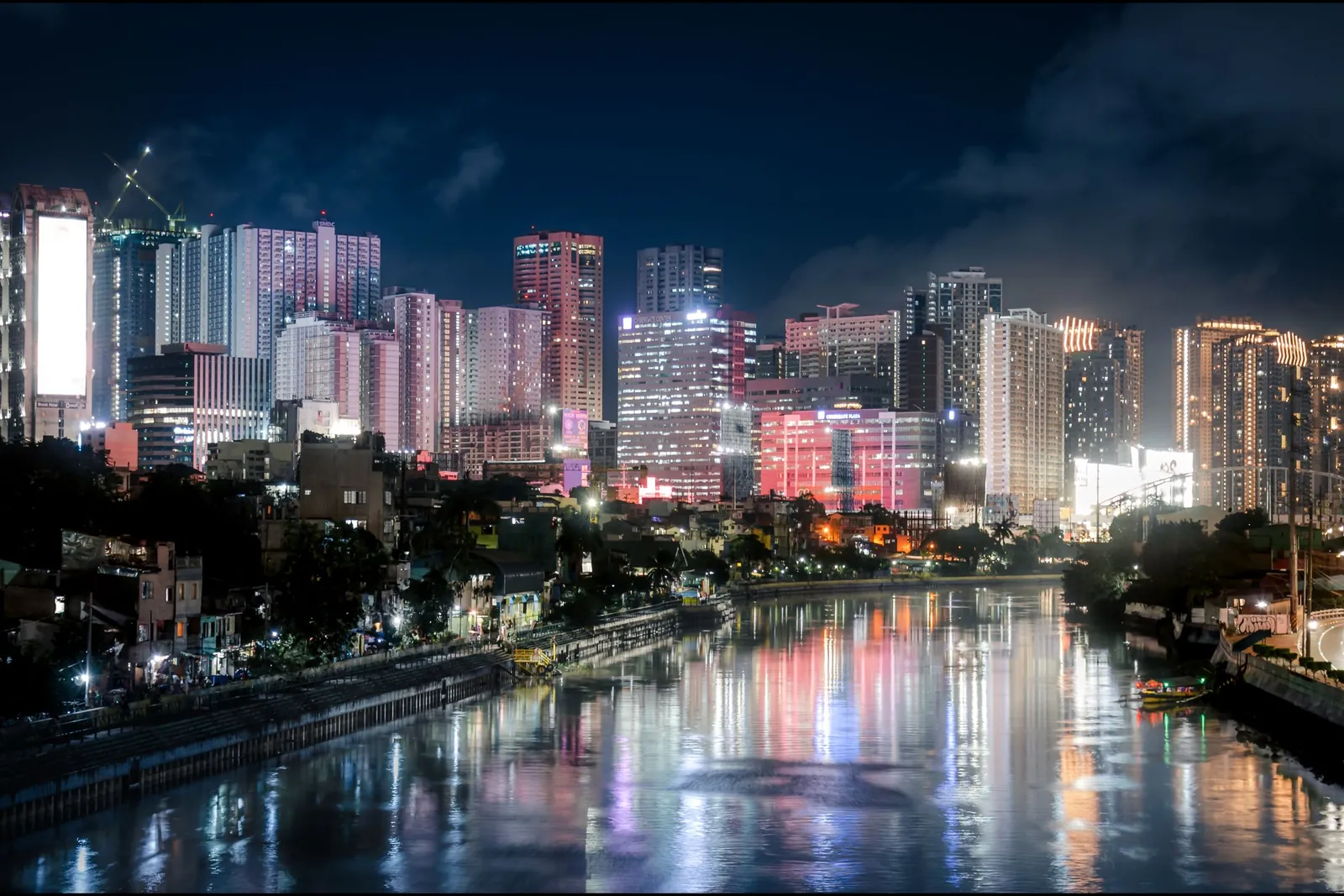
Ask who will actually pitch your story, and whether you'll meet that person before signing. Ask to see launches they've run in your category or a close one, with coverage links rather than a wall of logos. Ask which outlets they'd go to first for your brand, and what angle they'd use with each.
Then ask for a sample report and how they worked out the audience figures in it. The answer is revealing. On our own work page we say outright that publication audience estimates describe an outlet's audience; they do not count verified readers of a particular article.
Red flags
The big one is guaranteed coverage. No agency controls what an editor runs. If someone promises you a set number of articles, they're either guessing or selling you paid space.
That leads to the second: pay-per-placement. If an agency can quote you a price for a particular article in a particular outlet, ask whether it's advertorial. Labelled sponsored content is a perfectly fine thing to buy, but it isn't earned media, and you should know which one you're being invoiced for.
Third, reporting you can't check. A large reach number with no links, or an "advertising value" figure nobody can explain, should send you straight back to ask for the actual articles. We wrote more about this in how to tell whether a PR coverage report was useful.
And watch for the vanishing senior. If the person who pitched you isn't the person you hear from in month two, ask why now rather than later.
For an overseas agency or regional team with one release, the Philippines Press Desk sets out a focused outreach service. Ongoing work is scoped separately.
FAQ
How long does it take to get media coverage after launching in the Philippines?
Can a PR agency guarantee media coverage in the Philippines?
Do we need a spokesperson based in the Philippines?
Do we need a launch event?
Planning a launch in the Philippines? Tell us about it and we'll give you a straight read on what's realistic.